Develop your engineering knowledge, construction understanding, technical competence and practical skills to participate in the development of modern infrastructure and the built environment.
आधुनिक निर्माण, आधारभूत संरचना, तकनीकी ज्ञान, इंजीनियरिंग डिजाइन और व्यावहारिक कौशल के माध्यम से अपने तकनीकी भविष्य की दिशा में आगे बढ़ें।
Civil Engineering is the professional engineering discipline concerned with the planning, design, construction, maintenance and development of infrastructure and the built environment. The Bachelor of Technology (B.Tech.) in Civil Engineering programme at Regional College of Polytechnic (RCP-India) is designed to develop the engineering knowledge, technical understanding and practical competence students need to participate in the development of modern infrastructure — from buildings and highways to water systems and smart urban development.
Civil engineers convert ideas, drawings and calculations into safe, useful and lasting structures. During the programme, students develop an understanding of how the built environment takes shape — how projects are planned, how structures are designed, how construction is executed and supervised, and how engineering decisions shape communities, transportation, water systems and the environment.
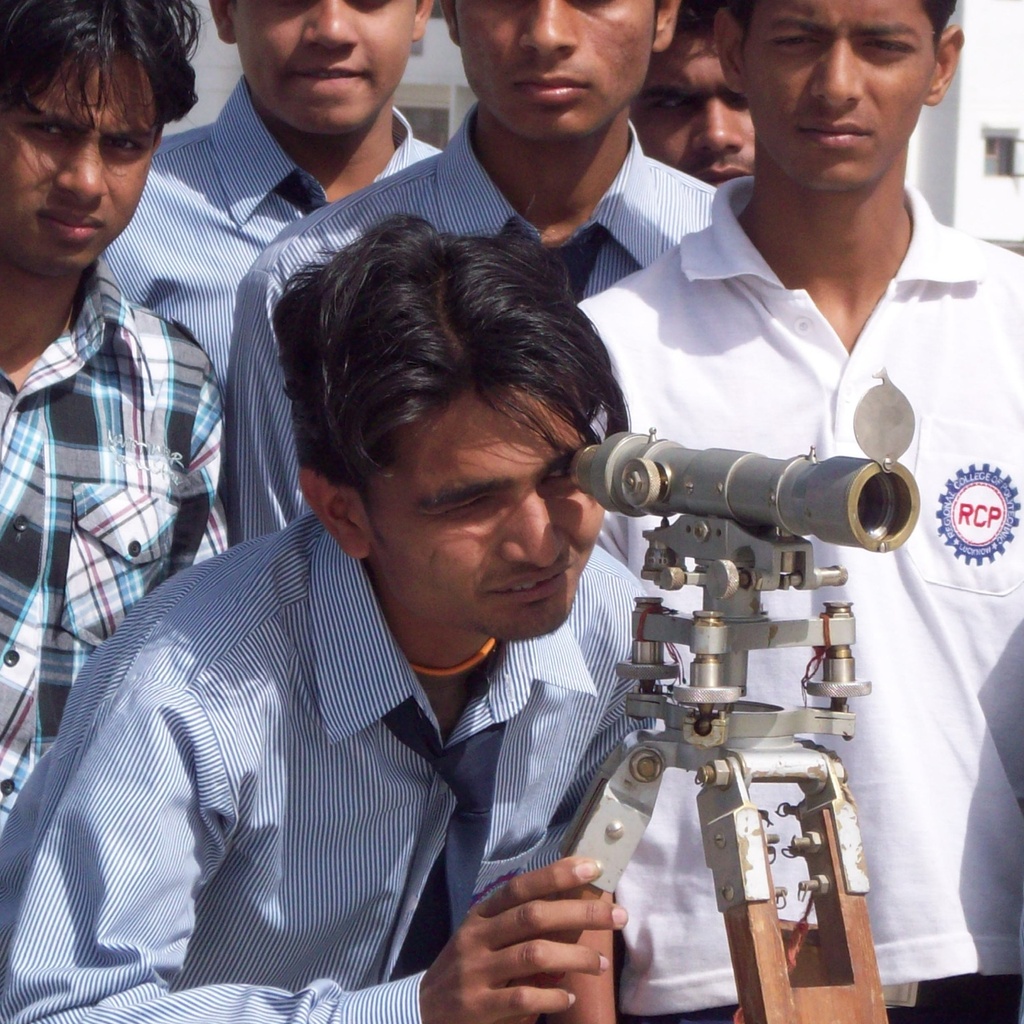
Learning combines classroom teaching, drawing and design work, surveying practice, laboratory activities, project work and site-related learning — so that academic knowledge and practical application develop together, in line with RCP-India's focus on quality education and practical skills.
Programme details are as listed in the institution's course information. Duration, eligibility and applicable norms for each admission session prevail as per institutional rules — please confirm with the Admission Office.
About RITSDC
Regional Institute of Technical & Skill Development Council — a premier skill development organisation committed to technical education and employability.
Incorporated with the Ministry of Corporate Affairs, Govt. of India
Recognised by MSME, Government of India
ISO 9001:2015 certified organisation
Focused on industry-relevant technical skill development
Dedicated to employability, entrepreneurship & career growth
Where Civil Engineers Work
Civil Engineering Contributions to the Built Environment
सिविल इंजीनियरिंग इंजीनियरिंग की वह शाखा है जिसके अंतर्गत इमारतों, सड़कों, पुलों, नहरों, जलापूर्ति प्रणालियों और अन्य आधारभूत संरचनाओं की योजना बनाई जाती है, उनका डिजाइन तैयार किया जाता है, उनका निर्माण किया जाता है और निर्माण के बाद उनका रखरखाव किया जाता है। जिस इमारत में आप रहते हैं, जिस सड़क पर आप यात्रा करते हैं और जिस पुल से आप नदी पार करते हैं — ये सभी सिविल इंजीनियरिंग के कार्यों के उदाहरण हैं।
सिविल इंजीनियर योजना, ड्रॉइंग, सर्वेक्षण, निर्माण सामग्री, संरचना, गुणवत्ता और सुरक्षा — इन सबका समन्वय करते हैं। बी.टेक. सिविल इंजीनियरिंग में विद्यार्थी इंजीनियरिंग गणित, इंजीनियरिंग ड्रॉइंग, सर्वेक्षण, बिल्डिंग मैटेरियल्स, स्ट्रक्चरल इंजीनियरिंग, कंक्रीट टेक्नोलॉजी, परिवहन इंजीनियरिंग और पर्यावरण इंजीनियरिंग जैसे विषयों का अध्ययन करते हैं, और साथ ही नाप-जोख, नक्शा तैयार करना, साइट निरीक्षण और परियोजना कार्य जैसे व्यावहारिक कौशल भी विकसित करते हैं।
दूसरे शब्दों में, सिविल इंजीनियरिंग वह क्षेत्र है जो समाज की बुनियादी ज़रूरतों — घर, सड़क, पानी और स्वच्छता — को पूरा करने वाली आधारभूत संरचना तैयार करता है। शहरी विकास, आधुनिक निर्माण तकनीक और स्मार्ट सिटी परियोजनाओं के इस युग में योग्य सिविल इंजीनियरों की भूमिका लगातार महत्वपूर्ण बनी हुई है।
Academic Foundation
Strong grounding in engineering sciences, structural concepts, construction technology and engineering design — the knowledge base every civil engineer is built on.
इंजीनियरिंग विज्ञान, संरचना और डिजाइन की मजबूत शैक्षणिक नींव।
Practical Skill Development
Surveying, drawing, measurement, material study, laboratory activities and project work that turn classroom concepts into working, hands-on ability.
सर्वेक्षण, ड्रॉइंग, प्रयोगशाला और परियोजना कार्य से व्यावहारिक कौशल विकास।
Professional Readiness
Construction awareness, technical documentation, planning fundamentals, safety consciousness and problem-solving that support workplace readiness.
कार्यस्थल की तैयारी के लिए योजना, दस्तावेज़ीकरण और सुरक्षा जागरूकता।
“Great infrastructure begins with knowledge, planning, precision, and the vision to build a better tomorrow.”
“बेहतर भविष्य का निर्माण ज्ञान, योजना, सटीकता और दूरदृष्टि से शुरू होता है।”
Why Choose This Discipline
Why Choose B.Tech. in Civil Engineering?
Civil engineering offers university-level technical education with a direct connection to the infrastructure that shapes everyday life.
सिविल इंजीनियरिंग वह क्षेत्र है जहाँ शैक्षणिक ज्ञान सीधे इमारतों, सड़कों और आधारभूत संरचना के निर्माण से जुड़ता है।
Professional Engineering Education
University-level engineering study that builds a deep technical understanding of the built environment.
पेशेवर स्तर की इंजीनियरिंग शिक्षा।
Infrastructure Development Knowledge
Learn how roads, buildings, bridges and water systems are planned, designed and executed.
सड़कों, इमारतों और जल प्रणालियों के विकास का ज्ञान।
Structural Engineering Fundamentals
Understand how loads, forces and structures behave — and how safe structures are designed.
संरचनात्मक इंजीनियरिंग की मूल बातें समझना।
Construction Technology
Study building materials, construction methods and modern construction practices used on real projects.
निर्माण सामग्री और आधुनिक निर्माण विधियों का अध्ययन।
Surveying & Measurement
Develop land surveying, levelling and measurement skills that are essential for every civil project.
सर्वेक्षण और मापन के व्यावहारिक कौशल।
Practical Engineering Exposure
Drawing work, laboratory sessions, demonstrations and site-related learning woven through the programme.
ड्रॉइंग, प्रयोगशाला और साइट-आधारित गतिविधियों से व्यावहारिक अनुभव।
Technical Skill Development
From CAD drawing to estimation and documentation — skills used daily in construction and infrastructure work.
CAD और अनुमान सहित तकनीकी कौशल विकास।
Project-Based Learning
Learn by doing — building layouts, planning exercises, material studies and model or project work.
करके सीखना — लेआउट, योजना और परियोजना आधारित अधिगम।
Construction Planning
Understand scheduling, sequencing and coordination of construction activities on projects of all sizes.
निर्माण कार्य की योजना और समन्वय की समझ।
Career Development Opportunities
Pathways across construction companies, infrastructure projects, government works and higher studies.
निर्माण, आधारभूत संरचना और उच्च शिक्षा में करियर विकास के अवसर।
Programme Information
Programme Information at a Glance
The essential facts about the B.Tech. (Civil Engineering) programme — duration, structure, eligibility and learning approach.
कार्यक्रम की बुनियादी जानकारी — अवधि, पाठ्यक्रम संरचना, पात्रता और अधिगम पद्धति।
Programme Name
Bachelor of Technology (B.Tech.) in Civil Engineering
बी.टेक. (सिविल इंजीनियरिंग)
Engineering Discipline
Civil Engineering — structures, construction, transportation, water and infrastructure systems.
अभियांत्रिकी शाखा — सिविल इंजीनियरिंग
Programme Duration
4 academic years (regular entry). Lateral Entry route: 3 years (direct 2nd year), as listed in the institution's course information.
नियमित प्रवेश — 4 वर्ष; लैटरल एंट्री — 3 वर्ष (सीधे द्वितीय वर्ष)।
Course Structure
Year-wise academic structure delivered through a semester system of teaching, internal assessment and examinations.
सेमेस्टर प्रणाली पर आधारित शैक्षणिक संरचना।
Eligibility Criteria
Regular entry: 10+2 with Physics, Chemistry & Mathematics. Lateral entry: Diploma in Civil Engineering. Final eligibility as per institutional norms for the session.
नियमित — 10+2 (PCM); लैटरल — सिविल इंजीनियरिंग में डिप्लोमा।
Admission Process
Admission enquiry → counselling → application → document verification → enrolment confirmation (see the admission section below).
Planning, estimation, design-support and model/project activities that integrate learning across subjects.
परियोजना कार्य द्वारा सीखे ज्ञान का एकीकरण।
Technical Skill Development
CAD drawing, estimation, quantity work, technical documentation and digital tools used in modern civil practice.
CAD, अनुमान और डिजिटल उपकरणों का कौशल विकास।
Assessment & Evaluation
Continuous internal assessment together with semester-end evaluations, as per the institutional academic framework. Details are shared at admission counselling.
सत्रांक, प्रयोग और सेमेस्टर परीक्षा — संस्थान के शैक्षणिक नियमानुसार।
Course Information Enquiry
Students and parents can contact the Admission Office for syllabus details, fee information and session-specific rules.
पाठ्यक्रम और प्रवेश की जानकारी के लिए प्रवेश कार्यालय से संपर्क करें।
Programme Note: the detailed syllabus, academic ordinances and examination structure are provided by the institution at the time of admission. The academic framework approved for each session prevails. विस्तृत पाठ्यक्रम और परीक्षा संरचना की जानकारी प्रवेश के समय संस्थान द्वारा दी जाती है।
Academic Curriculum
Civil Engineering Subject Areas
The B.Tech. study areas that build engineering knowledge step by step — from mathematics and drawing to structures, transportation, water systems and project management.
गणित और ड्रॉइंग से लेकर संरचना, परिवहन, जल प्रणालियों और परियोजना प्रबंधन तक — सिविल इंजीनियर के व्यावहारिक काम की नींव बनाने वाले प्रमुख विषय।
Engineering Mathematics
Engineering calculations, algebra, calculus and statistics used across all civil subjects.
इंजीनियरिंग की गणितीय नींव।
Engineering Mechanics
Forces, equilibrium and motion — the physics behind every structure.
बल और गति की समझ — हर संरचना का आधार।
Engineering Drawing
Reading and preparing technical drawings, plans and construction layouts.
नक्शे और चित्रों को पढ़ना और बनाना।
Building Materials
Study of cement, bricks, aggregates, steel and other construction materials.
सीमेंट, ईंट, बलुआ और सरिया जैसी सामग्री की पहचान।
Building Construction
Construction methods, foundations, masonry, finishes and building practices.
इमारत बनाने की विधियाँ और निर्माण प्रथाएँ।
Surveying
Chain, compass and levelling work — measuring land and setting out layouts.
ज़मीन की नाप-जोख और सीमांकन।
Geotechnical Engineering
Soil investigation and foundation behaviour for safe, durable structures.
मिट्टी की जाँच और नींव की उपयुक्तता का अध्ययन।
Soil Mechanics
Properties and behaviour of soils as an engineering material.
मिट्टी के गुणधर्मों का वैज्ञानिक अध्ययन।
Structural Engineering
Analysis and design concepts for beams, columns, frames and structures.
धरन, स्तंभ और संरचनाओं का विश्लेषण और डिजाइन।
Strength of Materials
How materials carry loads — stress, strain and strength calculations.
सामग्री की मजबूती और भार वहन क्षमता की गणना।
Concrete Technology
Concrete mix design, testing and quality control of concrete works.
कंक्रीट का मिश्रण, परीक्षण और गुणवत्ता नियंत्रण।
Construction Technology
Modern construction techniques, equipment and building systems.
आधुनिक निर्माण तकनीकों का अध्ययन।
Transportation Engineering
Planning and construction of roads and transport systems.
सड़कों और परिवहन व्यवस्था की योजना।
Highway Engineering
Highway alignment, pavement, materials and road maintenance.
राजमार्ग निर्माण और रखरखाव की विधियाँ।
Environmental Engineering
Environmental protection, pollution control and public health engineering.
पर्यावरण संरक्षण और जन-स्वास्थ्य व्यवस्थाएँ।
Water Resources Engineering
Irrigation, dams, canals and management of water resources.
जल संसाधनों, नहरों और बाँधों का प्रबंधन।
Hydraulics
Flow of water, pipes, channels and hydraulic machinery.
जल के प्रवाह का विज्ञान।
Water Supply Engineering
Sources, treatment and distribution of drinking water.
पेयजल स्रोत, शुद्धिकरण और आपूर्ति प्रणाली।
Wastewater & Sanitation Engineering
Sewerage systems, wastewater treatment and sanitation works.
अपशिष्ट जल निकासी और स्वच्छता व्यवस्था।
Construction Planning & Management
Scheduling, resources, coordination and control of construction projects.
निर्माण कार्य की योजना, संसाधन और निगरानी।
Estimation & Costing
Measuring quantities and estimating the cost of civil works.
लागत का अनुमान और हिसाब तैयार करना।
Quantity Surveying
Detailed measurement of works, specifications and billing.
मात्रा निर्धारण, विनिर्देश और बिल तैयार करना।
CAD & Civil Engineering Design
Computer-aided drawing and design documentation for civil projects.
कंप्यूटर पर नक्शा बनाना (CAD) और डिजाइन दस्तावेज़।
Project Management
Planning, monitoring and completing projects within time and quality expectations.
परियोजना का संचालन, निगरानी और समन्वय।
Skill Development
Technical Skills You Will Develop
Practical and professional competencies developed through coursework, practice and project work.
आप कौन-कौन से तकनीकी कौशल विकसित करेंगे? — कक्षा, अभ्यास और परियोजना कार्य के माध्यम से विकसित होने वाले व्यावहारिक कौशल।
Construction Drawing Interpretation
Reading plans, elevations and construction details correctly.
निर्माण ड्रॉइंग को सही पढ़ना।
Engineering Measurements
Precise linear and angular measurement techniques.
सटीक इंजीनियरिंग मापन।
Surveying Fundamentals
Using survey instruments for levelling and setting out work.
सर्वेक्षण उपकरणों का उपयोग करना।
Site Inspection
Observing, checking and recording construction work on site.
साइट पर कार्य की जाँच और निरीक्षण।
Construction Material Identification
Recognising materials and understanding their correct uses.
निर्माण सामग्री की पहचान और उपयोग।
Structural Concepts
Basic understanding of loads, supports and stability.
भार, आधार और स्थिरता की मूल अवधारणाएँ।
Basic Construction Planning
Sequencing activities, resources and simple work planning.
बुनियादी निर्माण योजना बनाना।
Estimation & Quantity Calculations
Computing quantities and approximate costs from drawings.
ड्रॉइंग से मात्रा और लागत की गणना।
Construction Supervision Fundamentals
Understanding supervision duties, marking and workmanship checks.
निर्माण पर्यवेक्षण की मूल बातें।
Quality Control Awareness
Material and workmanship quality checks and records.
गुणवत्ता नियंत्रण की जागरूकता।
Building Layout Understanding
Transferring drawings to ground — setting out and layout work.
बिल्डिंग लेआउट और सेटिंग-आउट की समझ।
Technical Documentation
Preparing measurement records, notes and technical reports.
तकनीकी दस्तावेज़ और रिपोर्ट तैयार करना।
Project Coordination
Working with teams, agencies, drawings and schedules.
टीम और कार्यसूची का समन्वय।
Safety Awareness
Site safety practices, precautions and safe working habits.
साइट सुरक्षा और सावधानियों की जागरूकता।
Engineering Problem-Solving
Analysing technical and site problems and finding practical solutions.
तकनीकी समस्याओं का व्यावहारिक समाधान।
Practical Learning & Field Exposure
Learning That Goes Beyond the Classroom
The programme emphasises experiential learning — drawing, surveying, laboratory work, demonstrations and site-related learning components that connect theory with practice.
प्रयोगशाला, सर्वेक्षण, ड्रॉइंग और साइट-संबंधी गतिविधियों के माध्यम से सिद्धांत और व्यावहार का संबंध जोड़ना।
Construction & Site-Based Learning
Understanding construction processes, materials in use and site workflow.
Workshop & Material Practice
Hands-on familiarity with construction tools, materials and workmanship.
Laboratory Activities
Material testing, measurement exercises and technical demonstrations.
CAD & Drawing Work
Engineering drawing and computer-aided drafting practice.
Engineering Drawing Exercises
Surveying Practice
Measurement Techniques
Construction Material Study
Site-Related Learning
Building Construction Methods
Laboratory Activities
Technical Demonstrations
Project Work
Field-Based Observation
Construction Process Understanding
Practical Problem-Solving
Note: practical learning components are organised as per the institutional academic plan for each session. The nature and extent of site exposure may vary by session and is confirmed through the academic schedule. व्यावहारिक गतिविधियों की योजना प्रत्येक सत्र की शैक्षणिक योजना के अनुसार की जाती है।
LEARN IN THE CLASSROOM. UNDERSTAND ON THE SITE. BUILD THROUGH EXPERIENCE.कक्षा में सीखें। साइट पर समझें। अनुभव से कौशल विकसित करें।
Civil Engineering & Modern Technology
How Technology Is Transforming Civil Engineering
Civil engineering is evolving with digital design tools, modern surveying instruments and technology-enabled construction practices.
आज सिविल इंजीनियरिंग CAD, BIM, GPS-आधारित सर्वेक्षण और डिजिटल योजना जैसी आधुनिक तकनीकों से बदल रही है — निर्माण और आधारभूत संरचना विकास अब तकनीक आधारित होते जा रहे हैं, और इन उपकरणों से परिचय विद्यार्थियों को आधुनिक कार्यपद्धति के लिए तैयार करता है।
Computer-Aided Design (CAD)
Preparing drawings and design documentation digitally.
कंप्यूटर पर ड्रॉइंग और डिजाइन दस्तावेज़ तैयार करना।
Digital Construction Drawings
Managing plans, revisions and records in digital formats.
डिजिटल रूप में नक्शे और संशोधन प्रबंधन।
Building Information Modeling (BIM)
3D modelling concepts used in modern building projects, where relevant.
आधुनिक परियोजनाओं में 3D मॉडलिंग की अवधारणा।
Modern Surveying Instruments
Electronic and digital instruments for accurate measurement.
सटीक मापन के लिए आधुनिक सर्वेक्षण उपकरण।
GPS-Based Surveying
Satellite-based positioning used in modern survey work.
उपग्रह आधारित सर्वेक्षण (GPS)।
Total Station Fundamentals
Angle and distance measurement for precise setting out.
टोटल स्टेशन से सटीक मापन की बुनियादी समझ।
Construction Project Management Software
Planning and tracking construction schedules digitally.
निर्माण कार्यसूची की डिजिटल योजना।
Digital Estimation Tools
Computing quantities and costs using software tools.
सॉफ्टवेयर से मात्रा और लागत की गणना।
Sustainable Construction Techniques
Resource-efficient and environment-conscious building methods.
पर्यावरण-अनुकूल निर्माण विधियाँ।
Smart Infrastructure
Digital systems and monitoring in modern infrastructure.
आधुनिक संरचनाओं में स्मार्ट प्रणालियाँ।
Green Building Concepts
Energy-efficient and eco-friendly building design concepts.
ऊर्जा-कुशल हरित भवन अवधारणाएँ।
Modern Construction Materials
New-age materials and their applications in construction.
नई पीढ़ी की निर्माण सामग्री और उनके उपयोग।
Technology-Enabled Project Planning
Data and software support for better planning decisions.
तकनीक से समर्थित परियोजना योजना।
Learning Through Projects
Engineering Knowledge Through Projects
Examples of student-oriented civil engineering learning activities that connect classroom subjects with practical understanding.
सिद्धांत को व्यावहार से जोड़ने वाली परियोजना-आधारित गतिविधियाँ — योजना, सर्वेक्षण, अनुमान और डिजाइन-सहायता का अभ्यास।
Residential Building Planning
Preparing a simple residential building plan with room arrangement, orientation and area statements.
Skills Learned
Building PlanningDrawing
Building Layout
Setting out a building layout on the ground from a given plan using marking and measurement basics.
Skills Learned
LayoutMeasurement
Surveying Project
Chain and compass survey exercise with field-book entries and a simple traverse.
Skills Learned
SurveyingField Records
Road Design Fundamentals
Understanding road cross-sections, camber and preparing simple alignment sketches.
Skills Learned
Highway BasicsDrawing
Concrete Mix Study
Studying nominal mixes, water–cement ratio and the basics of concrete quality.
Skills Learned
Concrete TechnologyQuality
Construction Material Testing
Illustrative laboratory activities on materials such as cement and aggregates.
Skills Learned
MaterialsTesting
Quantity Estimation
Estimating quantities for a small wall or slab from a given drawing.
Skills Learned
EstimationQuantity Surveying
Water Supply Planning
Planning a simple water supply layout for a small building, from source to taps.
Skills Learned
Water SupplyPlanning
Drainage Planning
Preparing a simple drainage and sanitation layout with slopes and connections.
Skills Learned
SanitationPlanning
Sustainable Building Concepts
Studying passive comfort, rainwater harvesting and green building features.
Skills Learned
SustainabilityDesign Concepts
Structural Model Preparation
Preparing simple models of beams, trusses or frames for concept clarity.
Skills Learned
StructuresModel Making
Infrastructure Planning
Group exercise — planning basic amenities and services for a small site or township.
Skills Learned
PlanningManagement
Project activities shown are illustrative learning activities; actual project work is defined by the academic curriculum of each session. प्रस्तुत गतिविधियाँ उदाहरण हैं; वास्तविक परियोजना कार्य प्रत्येक सत्र के पाठ्यक्रम के अनुसार निर्धारित होता है।
Career Opportunities
Career Opportunities After B.Tech. Civil Engineering
Potential career pathways for civil engineering graduates — subject to qualifications, skills, experience, recruitment requirements and applicable regulations.
सिविल इंजीनियरिंग के बाद करियर के अवसर — योग्यता, कौशल, अनुभव, भर्ती आवश्यकताओं और लागू नियमों के अधीन।
Typical Entry-Level Roles
Roles commonly explored at the start of a civil engineering career, after completing the required qualifications:
Site Engineer
Construction supervision & execution support
Junior Engineer
Assistant engineering roles, as per recruitment rules
Construction Supervisor
Site team coordination & workmanship
Site Supervisor
Daily site operations & marking
Surveying Assistant / Surveyor
Land & construction surveying
CAD Technician
Computer-aided drawing & drafting
Quality Control Assistant / Engineer
Material & workmanship checks
Infrastructure Project Assistant
Documentation & project support
With Experience, Specialisation or Higher Qualifications
Progression roles that typically develop with experience, additional qualifications, specialisation or professional registration:
Civil Engineer
Core engineering responsibilities
Construction Engineer
Execution leadership on projects
Project Engineer
Project planning & coordination
Construction Project Coordinator
Multi-team coordination & follow-up
Estimation Engineer
Cost estimation & tendering support
Quantity Surveying Professional
Measurement, specifications & billing
Planning Engineer
Scheduling & progress monitoring
Structural Design Assistant
Design support under senior guidance
Career Note: career paths shown are indicative opportunities in the field, not employment guarantees. Roles depend on qualifications, skills, experience and the recruitment requirements of employers. Government positions (such as Junior Engineer) require qualifying recruitment examinations as per applicable rules. प्रस्तुत भूमिकाएँ संभावित अवसरों का परिचय हैं — ये रोज़गार की गारंटी नहीं हैं। सरकारी पदों के लिए संबंधित भर्ती परीक्षा उत्तीर्ण करना आवश्यक होता है।
सिविल इंजीनियरिंग के बाद करियर के अवसर
बी.टेक. सिविल इंजीनियरिंग के बाद विद्यार्थी निर्माण कंपनियों, आधारभूत संरचना परियोजनाओं, सरकारी विभागों और निजी संस्थाओं में विभिन्न तकनीकी भूमिकाओं के लिए आवेदन कर सकते हैं। शुरुआत में साइट इंजीनियर, जूनियर इंजीनियर, सर्वेक्षण सहायक, CAD टेक्नीशियन या गुणवत्ता नियंत्रण सहायक जैसी भूमिकाएँ सामान्य रूप से देखी जाती हैं — जिनमें ड्रॉइंग पढ़ना, मापन, निरीक्षण और रिपोर्टिंग जैसे कार्य शामिल होते हैं।
अनुभव के साथ जिम्मेदारियाँ बढ़ती हैं — परियोजना नियोजन, लागत अनुमान, गुणवत्ता नियंत्रण, टीम समन्वय और निर्माण प्रबंधन जैसे कार्य सौंपे जाते हैं। सरकारी पदों (जैसे जूनियर इंजीनियर) के लिए संबंधित भर्ती नियमों के अनुसार परीक्षा उत्तीर्ण करना आवश्यक होता है। उच्च शिक्षा — जैसे एम.टेक. या एम.बी.ए. — या किसी विशेषज्ञता क्षेत्र को चुनकर भी करियर को आगे बढ़ाया जा सकता है।
उन्नति की दिशा संस्था, अनुभव, कौशल और अवसरों पर निर्भर करती है। यहाँ दी गई जानकारी संभावित दिशाओं का परिचय मात्र है — यह किसी नियोक्ता, वेतन या नियुक्ति की गारंटी नहीं है।
Industry & Employment Sectors
Where Civil Engineering Knowledge Is Useful
Industries and sectors where civil engineering knowledge and skills may be relevant:
सिविल इंजीनियरिंग किन क्षेत्रों में उपयोगी है? — नीचे दिए गए क्षेत्रों में सिविल इंजीनियरिंग का ज्ञान और कौशल उपयोगी होता है।
Construction CompaniesInfrastructure CompaniesReal Estate DevelopmentRoads & Highway ProjectsBridge ConstructionBuilding ConstructionGovernment Infrastructure ProjectsWater Supply ProjectsUrban DevelopmentSmart City ProjectsTransportation InfrastructureIndustrial ConstructionEngineering ConsultancyProject ManagementSurveying & PlanningConstruction Material Industries
सिविल इंजीनियरिंग किन क्षेत्रों में उपयोगी है?
सिविल इंजीनियरिंग का ज्ञान लगभग हर निर्माण-संबंधी क्षेत्र में काम आता है। निर्माण कंपनियों और आधारभूत संरचना परियोजनाओं में साइट कार्य, सर्वेक्षण और गुणवत्ता नियंत्रण के लिए; रियल एस्टेट विकास में योजना और पर्यवेक्षण के लिए; सरकारी विभागों में सड़क, भवन और जल परियोजनाओं के लिए; तथा इंजीनियरिंग परामर्श संस्थाओं में ड्रॉइंग, अनुमान और नियोजन के कार्यों के लिए।
इनके अतिरिक्त, स्मार्ट सिटी परियोजनाएँ, हरित निर्माण, परिवहन आधारभूत संरचना और निर्माण सामग्री उद्योग जैसे नए क्षेत्र भी सिविल इंजीनियरिंग के कार्यक्षेत्र को लगातार बढ़ा रहे हैं। किसी भी क्षेत्र में अवसर योग्यता, कौशल और अनुभव के आधार पर बनते हैं।
Career Growth Path
From Engineering Education to Career Specialisation
An illustrative growth pathway showing how education and skills typically progress into professional responsibility over time.
शिक्षा से शुरू होकर कौशल, अनुभव और विशेषज्ञता तक — करियर विकास का उदाहरण स्वरूप मार्ग।
यह मार्ग उदाहरण के तौर पर प्रस्तुत है: पहले इंजीनियरिंग शिक्षा, फिर तकनीकी कौशल, उसके बाद व्यावहारिक अनुभव और प्रारंभिक स्तर की भूमिकाएँ। अनुभव बढ़ने के साथ जिम्मेदारियाँ और अवसर बढ़ते हैं, और आगे चलकर विद्यार्थी अपनी रुचि के अनुसार विशेषज्ञता का क्षेत्र चुन सकते हैं — जैसे संरचना इंजीनियरिंग, निर्माण प्रबंधन, परिवहन या राजमार्ग इंजीनियरिंग, भू-तकनीकी इंजीनियरिंग, जल संसाधन, पर्यावरण इंजीनियरिंग या परियोजना प्रबंधन।
स्पष्ट है कि यह प्रगति योग्यता, कौशल, अवसरों और निरंतर प्रयास पर निर्भर करती है — इसमें रोज़गार, वेतन वृद्धि, प्रमोशन या प्लेसमेंट की कोई गारंटी नहीं है।
Disclaimer: the growth path shown is illustrative. Employment, salary, promotion and placement outcomes depend on individual qualifications, skills, experience, market conditions and employer requirements.
Student Benefits
Why Students Choose Civil Engineering
The advantages of studying civil engineering and developing engineering competencies at RCP-India.
सिविल इंजीनियरिंग विद्यार्थियों के लिए क्यों उपयोगी है? — नीचे इस कार्यक्रम के प्रमुख लाभ दिए गए हैं।
Understanding Infrastructure Development
See how the built environment around you is actually planned, designed and created.
आधारभूत संरचना विकास की वास्तविक समझ।
Engineering Knowledge
University-level engineering concepts with clear real-world relevance.
व्यावहारिक प्रासंगिकता वाला इंजीनियरिंग ज्ञान।
Technical Skill Development
Drawing, surveying, estimation and CAD skills that employers recognise.
ड्रॉइंग, सर्वेक्षण, अनुमान और CAD कौशल।
Construction Industry Awareness
Understand how projects, sites and construction teams actually work.
निर्माण उद्योग और साइट कार्यप्रणाली की समझ।
Practical Learning Opportunities
Laboratory, field and demonstration activities that make concepts concrete.
प्रयोगशाला और क्षेत्र-आधारित अधिगम के अवसर।
Project-Based Learning
Project work across planning, estimation and design support builds a working portfolio mindset.
योजना, अनुमान और डिजाइन-सहायता की परियोजनाएँ।
Design & Planning Concepts
Early exposure to design thinking and systematic planning methods.
डिजाइन और व्यवस्थित योजना की अवधारणाएँ।
Career-Oriented Education
Learning aligned with construction and infrastructure career paths.
निर्माण और आधारभूत संरचना से जुड़ी करियर-उन्मुख शिक्षा।
Problem-Solving Skills
Analytical habits that apply to technical and site-level challenges.
तकनीकी चुनौतियों का समाधान करने का कौशल।
Professional Development
Communication, documentation and teamwork habits that support professional growth.
व्यावसायिक विकास के लिए संप्रेषण और टीम-कौशल।
Student Guidance
Who Should Choose This Programme?
A simple self-check for prospective students and parents before applying.
यह कार्यक्रम किन विद्यार्थियों के लिए उपयुक्त हो सकता है? — नीचे दिए गए बिंदु आपको स्वयं को समझने में मदद करेंगे।
This programme may appeal to students who…
Are interested in construction and infrastructure
Enjoy mathematics and technical subjects
Want to understand how buildings and bridges are constructed
Are interested in engineering drawings
Enjoy planning and designing structures
Want to learn surveying and measurements
Have an interest in roads and transportation
Want to work in construction and infrastructure sectors
Wish to develop technical and engineering skills
यह कार्यक्रम किन विद्यार्थियों के लिए उपयुक्त हो सकता है?
जो निर्माण और आधारभूत संरचना में रुचि रखते हैं
जिन्हें गणित और तकनीकी विषय पसंद हैं
जो जानना चाहते हैं कि इमारतें और पुल कैसे बनाए जाते हैं
जिन्हें इंजीनियरिंग ड्रॉइंग में रुचि है
जो संरचनाओं की योजना और डिजाइन का आनंद लेते हैं
जो सर्वेक्षण और मापन सीखना चाहते हैं
जिन्हें सड़कों और परिवहन में रुचि है
जो निर्माण और आधारभूत संरचना क्षेत्रों में कार्य करना चाहते हैं
जो तकनीकी और इंजीनियरिंग कौशल विकसित करना चाहते हैं
Take the first step towards engineering knowledge, technical skills and a career in construction and infrastructure — the Admission Office will guide you at every stage, from enquiry to enrolment.
Entry routes and the admission journey for the B.Tech. (Civil Engineering) programme, based on the institution's listed course information.
प्रवेश मार्ग, पात्रता, आवेदन प्रक्रिया और दस्तावेज़ — संस्थान की सूचीबद्ध जानकारी के आधार पर।
B.Tech. — Regular Entry
Duration: 4 Years · After 10+2 (PCM)
Eligibility: Passed 10+2 (or equivalent) with Physics, Chemistry & Mathematics from a recognised board, as per institutional norms.
Suitable for: students seeking a full four-year engineering education in civil engineering with semester-wise academic progression.
नियमित प्रवेश — 10+2 (फिजिक्स, केमिस्ट्री और मैथ्स) उत्तीर्ण विद्यार्थियों के लिए।
B.Tech. — Lateral Entry
Duration: 3 Years · Direct 2nd Year
Eligibility: Diploma in Civil Engineering, as listed in the institution's course information. Admission to the 2nd year is subject to institutional norms and applicable rules.
Suitable for: diploma holders who wish to continue into a bachelor's-level engineering qualification.
लैटरल एंट्री — सिविल इंजीनियरिंग में डिप्लोमा उत्तीर्ण उम्मीदवारों के लिए।
Admission Enquiry & Counselling
Admission Office
Students and parents can contact the Admission Office for eligibility confirmation, course information, fee details and seat availability — by phone, WhatsApp, email or a campus visit.
पात्रता, शुल्क और दस्तावेज़ों की जानकारी के लिए प्रवेश कार्यालय से संपर्क करें।
Student Support Contact
Help & Guidance
For course information, admission counselling and student support, the admission helpline and email are available on working days (Monday – Saturday · Admission Office).
कार्यक्रम और प्रवेश संबंधी सहायता के लिए हेल्पलाइन और ईमेल उपलब्ध हैं।
Application Process — Six Simple Steps
1
Submit Application
Complete the application form online or at the Admission Office.
2
Document Verification
Submit and verify the required academic and identity documents.
3
Admission Counselling
Receive guidance on the entry route, eligibility and programme.
4
Programme Selection
Confirm the B.Tech. (Civil Engineering) pathway and entry year.
5
Enrolment Confirmation
Complete the admission formalities and applicable fee payment.
6
Begin the Journey
Start the B.Tech. academic journey with orientation and classes.
Admission Note: eligibility conditions, intake and the admission schedule are as per institutional norms for the session. Students should apply through counselling to confirm the correct entry route, document requirements and seat availability. पात्रता और प्रवेश की शर्तें संस्थान के नियमों के अनुसार होती हैं — कृपया काउंसलिंग के माध्यम से पुष्टि करें।
Quick answers in English and Hindi about the programme, subjects, eligibility, practical learning and careers.
कार्यक्रम, विषय, पात्रता और करियर से जुड़े सामान्य प्रश्नों के उत्तर — हिंदी में भी।
1. What is B.Tech. in Civil Engineering?
B.Tech. in Civil Engineering is a four-year bachelor's degree-level engineering programme that studies the planning, design, construction and maintenance of infrastructure — buildings, roads, bridges, water supply and the other systems of the built environment. At RCP-India it combines academic study with practical learning.
बी.टेक. सिविल इंजीनियरिंग चार वर्ष का स्नातक स्तर का इंजीनियरिंग कार्यक्रम है, जिसमें इमारतों, सड़कों, पुलों और जलापूर्ति जैसी आधारभूत संरचनाओं की योजना, डिजाइन, निर्माण और रखरखाव का अध्ययन किया जाता है।
2. What do students learn in Civil Engineering?
Students learn engineering mathematics and mechanics, drawing, surveying, building materials and construction, structural concepts, concrete technology, transportation and highway engineering, environmental and water resource subjects, estimation, CAD and project planning — together with practical and project work.
विद्यार्थी इंजीनियरिंग गणित, मैकेनिक्स, ड्रॉइंग, सर्वेक्षण, बिल्डिंग मैटेरियल्स, संरचना, कंक्रीट टेक्नोलॉजी, परिवहन, पर्यावरण और जल संसाधन विषयों के साथ-साथ अनुमान, CAD और परियोजना नियोजन सीखते हैं।
3. What are the major subjects in Civil Engineering?
Major subject areas include Engineering Mathematics, Engineering Drawing, Building Materials & Construction, Surveying, Strength of Materials, Structural Engineering, Concrete Technology, Geotechnical and Soil subjects, Transportation & Highway Engineering, Environmental Engineering, Water Resources & Hydraulics, Estimation & Costing, Quantity Surveying, CAD, and Construction Planning & Management.
प्रमुख विषयों में इंजीनियरिंग गणित, ड्रॉइंग, बिल्डिंग कंस्ट्रक्शन, सर्वेक्षण, स्ट्रक्चरल इंजीनियरिंग, कंक्रीट टेक्नोलॉजी, सॉइल मैकेनिक्स, हाईवे इंजीनियरिंग, एनवायरनमेंटल इंजीनियरिंग, हाइड्रोलिक्स, एस्टिमेशन और CAD शामिल हैं।
4. What is the duration of the B.Tech. programme?
The regular B.Tech. (Civil Engineering) programme is listed as 4 years with a semester-wise academic structure. A lateral entry route of 3 years (direct 2nd year) is also listed for eligible diploma holders. Duration and applicable norms for each session prevail as per institutional rules.
नियमित बी.टेक. कार्यक्रम 4 वर्ष का है (सेमेस्टर प्रणाली)। पात्र डिप्लोमा धारकों के लिए लैटरल एंट्री (सीधे द्वितीय वर्ष, 3 वर्ष) का विकल्प भी सूचीबद्ध है। अवधि और नियम संस्थान की नीति के अनुसार लागू होते हैं।
5. What is the eligibility for admission?
For regular entry: 10+2 (or equivalent) with Physics, Chemistry & Mathematics, as listed by the institution. For lateral entry: Diploma in Civil Engineering. Final eligibility is confirmed by the Admission Office as per institutional norms for the session.
नियमित प्रवेश हेतु 10+2 (PCM) और लैटरल एंट्री हेतु सिविल इंजीनियरिंग में डिप्लोमा — संस्थान की सूची के अनुसार। अंतिम पात्रता प्रवेश कार्यालय द्वारा सत्र के नियमानुसार पुष्ट की जाती है।
6. Does Civil Engineering involve practical learning?
Yes — the discipline is practice-oriented. Learning includes drawing exercises, surveying practice, measurement work, laboratory activities, technical demonstrations, project work and site-related learning components, organised as per the institutional academic plan.
हाँ — सिविल इंजीनियरिंग व्यावहारिक अभ्यास पर आधारित है। इसमें ड्रॉइंग, सर्वेक्षण, मापन, प्रयोगशाला गतिविधियाँ, प्रदर्शन, परियोजना कार्य और साइट-संबंधी अधिगम शामिल हैं।
7. What is surveying in Civil Engineering?
Surveying is the science of measuring land — distances, angles and elevations — to prepare maps, set out building layouts and support construction work. It is one of the core practical skills of a civil engineer.
सर्वेक्षण ज़मीन की नाप-जोख का विज्ञान है — दूरी, कोण और ऊँचाई मापकर नक्शे बनाना, बिल्डिंग लेआउट तैयार करना और निर्माण कार्य का समर्थन करना।
8. What is the role of a Civil Engineer?
A civil engineer plans, designs, supervises and maintains infrastructure — from homes and offices to roads, bridges and water systems. The role includes drawing interpretation, measurement, quality control, safety awareness and coordination of construction activities.
सिविल इंजीनियर आधारभूत संरचना — इमारतों, सड़कों, पुलों और जल प्रणालियों — की योजना, डिजाइन, पर्यवेक्षण और रखरखाव करता है। इसमें ड्रॉइंग की समझ, मापन, गुणवत्ता नियंत्रण, सुरक्षा और समन्वय शामिल है।
9. What career opportunities are available after B.Tech. Civil Engineering?
Graduates commonly explore roles such as Site Engineer, Junior Engineer, Construction Supervisor, Surveying Assistant, CAD Technician, Quality Control Assistant and Estimation/Quantity roles — and with experience, Project Engineer or Planning Engineer positions. All roles are subject to skills, experience and recruitment requirements.
बी.टेक. के बाद साइट इंजीनियर, जूनियर इंजीनियर, सर्वेक्षण सहायक, CAD टेक्नीशियन, गुणवत्ता सहायक और अनुमान-संबंधी भूमिकाएँ — तथा अनुभव के साथ परियोजना/नियोजन इंजीनियर के पद — योग्यता और भर्ती आवश्यकताओं के अधीन उपलब्ध हो सकते हैं।
10. In which industries can Civil Engineering graduates work?
Civil engineering knowledge is relevant in construction companies, infrastructure firms, real estate development, road & highway projects, government infrastructure works, water supply projects, urban development, smart city projects, engineering consultancy and construction material industries.
सिविल इंजीनियरिंग का ज्ञान निर्माण कंपनियों, आधारभूत संरचना फर्मों, रियल एस्टेट, सड़क-राजमार्ग परियोजनाओं, सरकारी निर्माण विभागों, जलापूर्ति, शहरी विकास, स्मार्ट सिटी, परामर्श सेवाओं और निर्माण सामग्री उद्योग में उपयोगी है।
11. Can Civil Engineers work in infrastructure development?
Yes — infrastructure development is one of the core fields of civil engineering. Highways, bridges, water systems, urban services and smart city projects are all planned, built and maintained with civil engineering knowledge.
हाँ — आधारभूत संरचना विकास सिविल इंजीनियरिंग का प्रमुख क्षेत्र है। राजमार्ग, पुल, जल प्रणालियाँ, शहरी सेवाएँ और स्मार्ट सिटी परियोजनाएँ सभी सिविल इंजीनियरिंग के ज्ञान से बनती हैं।
12. What technical skills are useful for Civil Engineering students?
Useful skills include reading construction drawings, measurement and surveying, material identification, estimation and quantity calculation, CAD drafting, technical documentation, quality awareness, site safety and practical problem-solving.
उपयोगी कौशलों में निर्माण ड्रॉइंग पढ़ना, मापन-सर्वेक्षण, सामग्री की पहचान, अनुमान, CAD, दस्तावेज़ीकरण, गुणवत्ता और सुरक्षा जागरूकता तथा समस्या-समाधान शामिल हैं।
13. What are the major Civil Engineering specializations?
Common specialisation areas include Structural Engineering, Construction Management, Transportation & Highway Engineering, Geotechnical Engineering, Water Resources, Environmental Engineering, Urban Infrastructure, Project Management and Sustainable Construction — typically pursued after foundational study and experience.
प्रमुख विशेषज्ञता क्षेत्रों में संरचना इंजीनियरिंग, निर्माण प्रबंधन, परिवहन/राजमार्ग इंजीनियरिंग, भू-तकनीकी इंजीनियरिंग, जल संसाधन, पर्यावरण इंजीनियरिंग और परियोजना प्रबंधन शामिल हैं।
14. How can students enquire about admission?
Students and parents can call the admission helpline, send a WhatsApp enquiry, email the Admission Office or visit the campus — the enquiry form on this page also reaches the admission team directly.
विद्यार्थी और अभिभावक हेल्पलाइन पर कॉल कर सकते हैं, WhatsApp संदेश भेज सकते हैं, ईमेल कर सकते हैं या कैंपस आ सकते हैं — इस पृष्ठ का एनक्वायरी फॉर्म भी सीधे प्रवेश टीम तक पहुँचता है।
Contact Us
B.Tech. Civil Engineering Admissions — Get in Touch
Civil Engineering is more than designing structures. It is about developing ideas, solving real-world problems, building infrastructure, and creating a better environment for future generations. Start your journey towards engineering knowledge, technical skills, and professional development with RCP-INDIA.
सिविल इंजीनियरिंग केवल इमारतों और संरचनाओं का निर्माण नहीं है, बल्कि विचारों को वास्तविकता में बदलने, समस्याओं का समाधान करने और समाज के विकास में योगदान देने की एक तकनीकी यात्रा है।